
A practical guide for trekking in Nepal
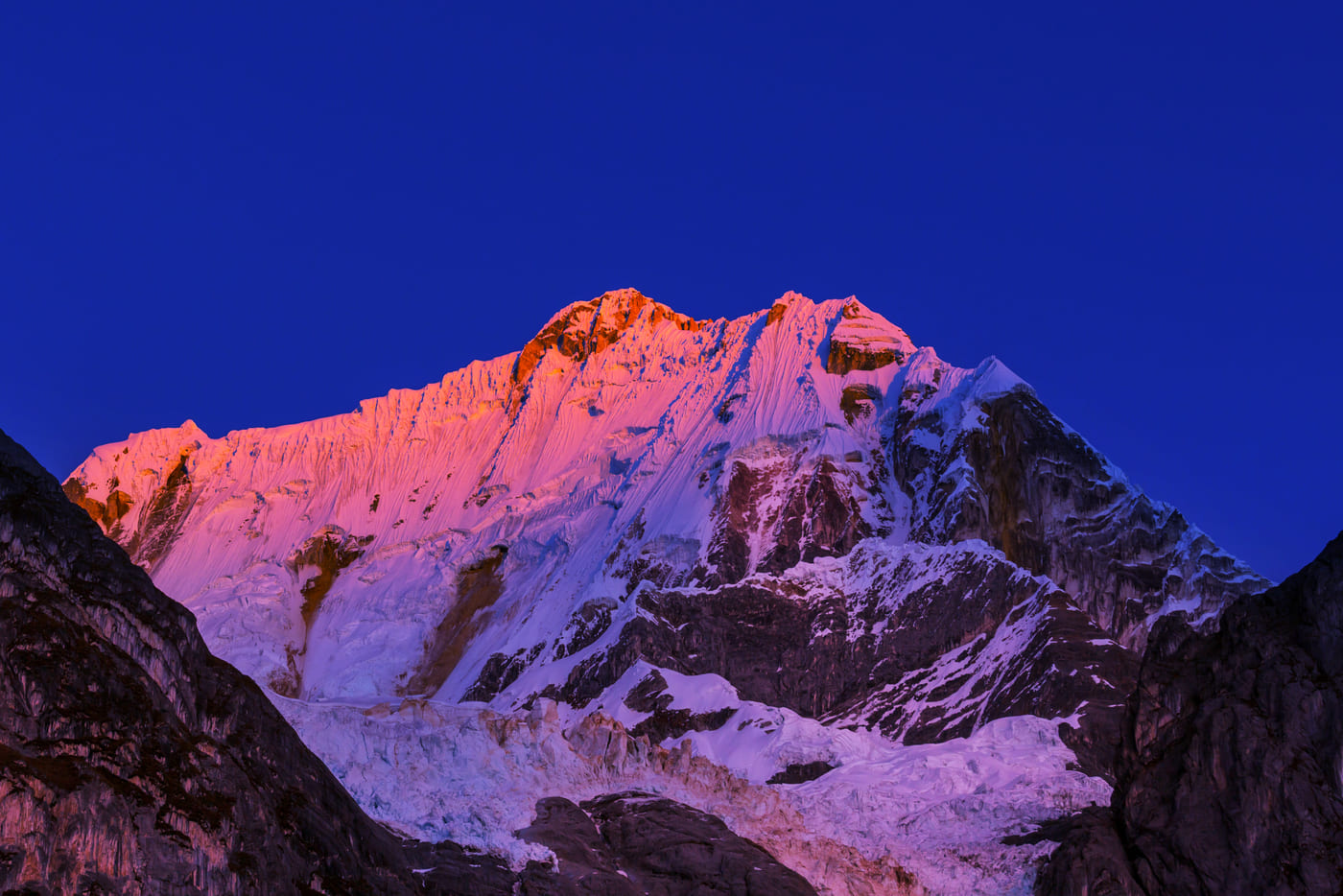
Trekking in the Himalayas is one of the most rewarding travel experiences in the world. Vast landscapes, remote mountain villages, ancient cultures and some of the highest peaks on Earth make Nepal a unique destination for adventure travelers.
However, trekking in the Himalayas is also very different from hiking in other parts of the world. Altitude, remote terrain and changing weather conditions require good preparation.
If you are planning your first Himalayan trek with Crest Summit Treks, this guide will help you understand how to prepare physically, mentally and logistically for the journey.
Understanding Himalayan Trekking
The Himalayas offer a wide range of trekking experiences, from moderate cultural routes to demanding high-altitude expeditions.
Some of the most popular trekking regions include:
- Everest Region (Khumbu) – home to Everest Base Camp and dramatic glacier landscapes
- Annapurna Region – diverse terrain with forests, villages and high mountain passes
- Upper Mustang – a unique Himalayan desert with strong Tibetan culture
- Manaslu Region – remote trekking routes with fewer crowds
- Nar–Phu Valley – hidden valleys and authentic Himalayan culture
Each region offers different levels of difficulty, altitude and cultural experiences.
Choosing the right trek is the first step to a successful Himalayan adventure.
Physical Preparation
You do not need to be an elite athlete to trek in the Himalayas, but good physical fitness is important.
Most Himalayan treks involve:
- Walking 5–7 hours per day
- Long uphill and downhill sections
- Consecutive trekking days
- Altitude above 3,000–5,000 meters
Recommended training before your trek
Start preparing at least 6–8 weeks before the trip.
Focus on:
Cardiovascular endurance
- Hiking
- Running
- Cycling
- Stair climbing
Leg strength
- Squats
- Lunges
- Step-ups
Long walks with a backpack
This helps simulate real trekking conditions.
The goal is not speed but steady endurance over long days.
Understanding Altitude
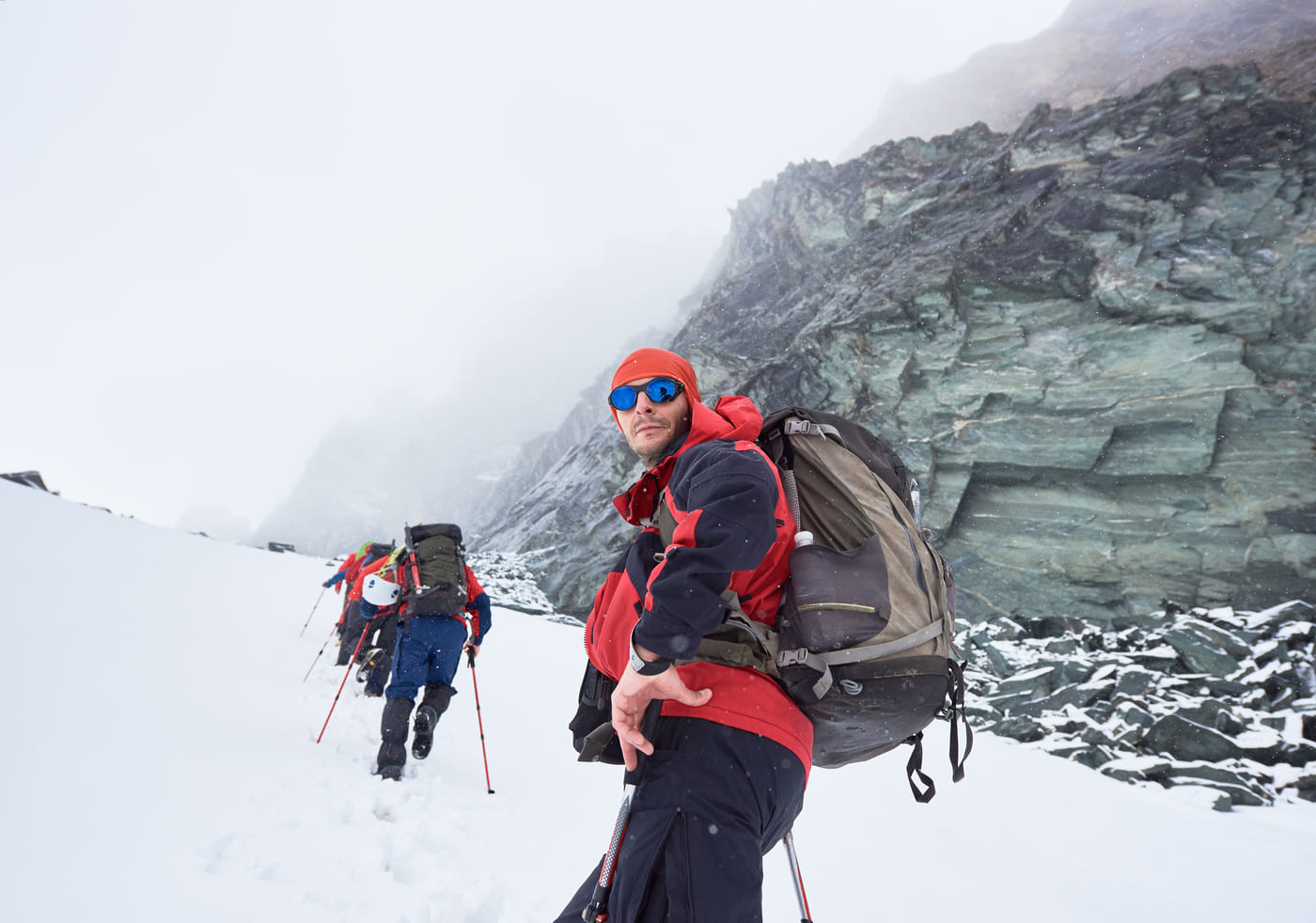
Altitude is the main challenge in the Himalayas.
As you gain elevation, the amount of oxygen decreases. Your body needs time to adapt through a process called acclimatization.
Common altitude symptoms
- Headache
- Fatigue
- Loss of appetite
- Difficulty sleeping
These symptoms are common during trekking but should always be monitored carefully.
Professional trekking itineraries are designed to allow gradual altitude gain, rest days and proper acclimatization.
With experienced guides and the correct pace, most trekkers adapt well to the altitude.
Essential Trekking Equipment
Having the right equipment is essential for comfort and safety.
Basic trekking gear
Clothing
- Base layers
- Fleece or insulating jacket
- Waterproof shell jacket
- Trekking pants
- Warm hat and gloves
Footwear
- Comfortable trekking boots
- Warm trekking socks
Accessories
- Sunglasses with UV protection
- Sunscreen and lip protection
- Trekking poles
- Headlamp
For higher altitude treks, additional equipment may be required.
Your guide will help you review your gear before the trek begins.
Travel Logistics
Planning logistics properly helps ensure a smooth trekking experience.
Important things to consider include:
Permits
Most trekking routes in Nepal require permits such as:
- National park permits
- Conservation area permits
- Restricted area permits (for regions like Upper Mustang)
Insurance
Travel insurance with high-altitude rescue coverage is mandatory for most Himalayan treks.
Helicopter evacuation is sometimes required in emergencies, and insurance ensures quick assistance.
Best Seasons
The best seasons for trekking in Nepal are:
Spring (March–May)
Clear skies, blooming rhododendrons and stable weather.
Autumn (September–November)
Excellent visibility and the most popular trekking season.
Winter and monsoon trekking are possible in some regions but require special planning.
Trekking with Experienced Guides
A professional trekking guide makes a huge difference in the Himalayas.
Guides help with:
- Route navigation
- Altitude monitoring
- Cultural interpretation
- Safety management
- Logistics coordination
Sherpa guides in particular have deep knowledge of the mountains and the region.
At Crest Summit Treks, our experienced guides focus on safety, proper acclimatization and creating an authentic Himalayan experience.
The True Reward of Himalayan Trekking
Trekking in the Himalayas is not only about reaching a destination.
It is about:
- Walking through ancient cultures
- Experiencing the rhythm of mountain life
- Learning patience and endurance
- Discovering landscapes that feel almost untouched by time
Every step reveals something new.
And often, the most meaningful part of the journey is not the summit or the viewpoint, but the experience along the way.
Start Your Himalayan Journey
Whether you are dreaming of:
- Everest Base Camp
- The Three Passes Trek
- Upper Mustang
- or your first high-altitude Himalayan adventure
Our team at Crest Summit Treks is here to guide you safely through the mountains.
With well-designed itineraries, experienced guides and a deep respect for the Himalayas, we help trekkers experience these mountains in the most authentic way possible.
The Himalayas are waiting.
Step by step, the journey begins.