
Sleeping at altitude can be one of the biggest challenges during a trek in Nepal or a mountain expedition. Many people think only about their sleeping bag, dry socks, or thermal layers, but there is one part of the body we often forget to protect properly: the head.
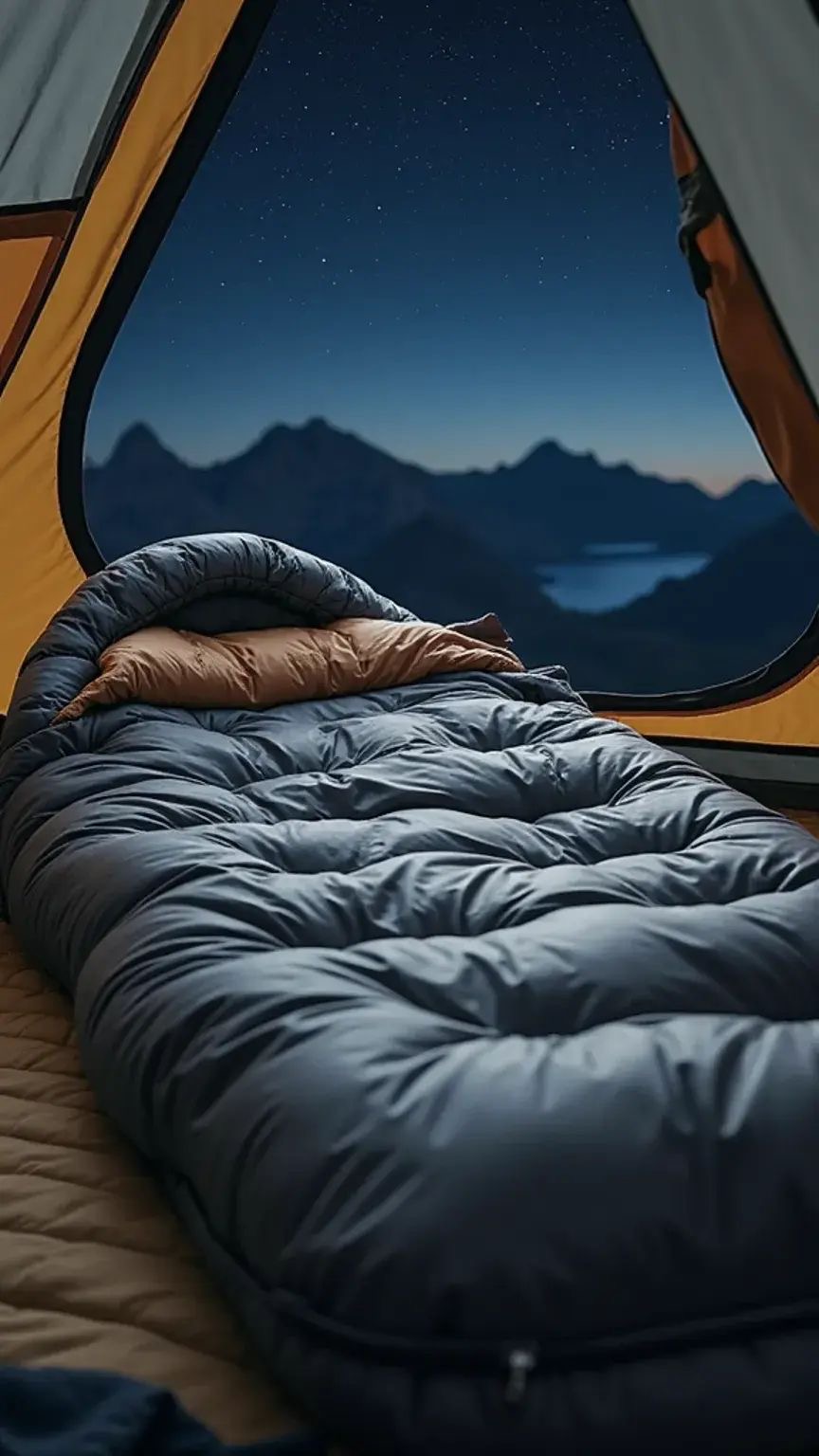
I remember one night above 3,000 meters when I woke up shivering, with a frozen nose and completely numb ears. I had done everything “right”: a good sleeping bag, dry socks, thermal clothing… but I had forgotten to cover my head properly. That night, I learned something important.
Sleeping in the mountains is not always easy.
When you are at 3,000, 4,000, or even above 5,000 meters, the cold does not only reach your feet or hands. Very often, it starts with your head, your face, your nose, and your ears.
And when your head gets cold, your whole body feels it.
At altitude, protecting your head during the night is not a luxury. It is part of rest, recovery, and also safety.
Your Head Also Needs Protection in the Mountains
Many people focus on having a good sleeping bag, a warm down jacket, or thick socks. All of that matters, but the head is often forgotten.
During the night, especially in tents or cold tea house rooms, temperatures can drop dramatically. Even if you are inside your sleeping bag, if your head is exposed and not properly protected, your body slowly loses warmth.
That is why I always sleep with my head well covered when I am at altitude.
My System for Sleeping Warmer at Altitude
The first thing I use is a comfortable hat that does not feel too tight. It must cover the ears well, because once your ears get cold, it can be very difficult to warm up again.
If it is very cold, I also use a buff or neck gaiter. I like to pull it slightly up toward my face, but without completely covering my breathing. At altitude, it is important to breathe comfortably and not feel restricted.
Sometimes I also use the hood of a thermal top, a light sweatshirt, or a lightweight jacket if I am sleeping in one. That extra layer around the neck and head helps a lot, especially when the air inside the room or tent is very cold.
And if the sleeping bag has an adjustable hood, I use it too. Not every sleeping bag adjusts well, but when it does, I close it gently around my head. I do not tighten it too much because I do not want to feel trapped or uncomfortable. Just enough to keep the warmth inside.
The idea is not to sleep tightly wrapped or uncomfortable. The idea is to create a small protective space around your head, like a little shelter inside the sleeping bag.
Protected Ears, a Calmer Night
For me, covering the ears well is also very important. Not only because of the cold, but also because at altitude the ears can sometimes feel strange: pressure, a blocked sensation, or extra sensitivity to cold air.
Sleeping with my ears covered helps me feel more protected and comfortable during the night. A hat that covers well, a carefully placed buff, or a soft hood can make a big difference.
It is not about pressing on the ears. It is about protecting them from the cold and direct airflow. In the mountains, comfort also helps you rest better.
Be Careful with Earplugs in Camp
Many people use earplugs to sleep because refuges, tea houses, or camps can be noisy: wind, people moving, zippers, animals, footsteps, or voices during the night.
But when I sleep alone in a tent or in a high-altitude camp, I personally do not recommend blocking yourself completely with earplugs.
In the mountains, it is important to be able to hear what is happening around you. There may be team warnings, strong changes in the wind, movement in camp, an emergency, a distant avalanche, or someone calling during the night.
It is not about sleeping in fear. It is about keeping a minimum connection with your surroundings.
If someone really needs earplugs because they cannot rest, it is better to use ones that do not block all sound completely, or to use them only in safer places, such as a tea house or a shared room where the guide and team are nearby. In high-altitude camp, for me, being able to hear is also part of safety.
Be Careful with Breathing and Moisture Inside the Sleeping Bag
A common mistake when sleeping at altitude is putting your whole head inside the sleeping bag.
It may seem like a good idea because at first it feels warmer, but it is not always the best choice. When you breathe inside the sleeping bag, moisture builds up. That moisture can slightly dampen the inside of the bag, and in cold conditions, that becomes a problem.
That is why I prefer to keep my nose and mouth with enough space to breathe, while still protecting my forehead, ears, neck, and the top of my head.
Warmth, yes. Moisture, no.
Small Details That Help You Sleep Better at Altitude
Before going to sleep, I always make sure my hat is dry. I do not like sleeping with damp clothing, because at altitude, moisture turns into cold very quickly.
I also keep my headlamp close, because if I need to get up during the night, I do not want to search for things with cold hands or move too much inside the sleeping bag.
And if the night is especially cold, I use layers: a thin hat, a buff, a clothing hood, and, if the sleeping bag allows it, the sleeping bag hood as well. Sometimes these small details completely change the quality of your rest.
I also try to prepare everything before closing the sleeping bag: water nearby, headlamp in place, gloves within reach, and clothes well organized. At altitude, the less you need to move during the night, the better you rest.
Sleeping Well Is Also Part of Acclimatization
In the mountains, rest is not just about comfort. It is part of the process.
When you sleep better, your body recovers better. You walk with more energy, think more clearly, and manage the cold, altitude, and fatigue much better.
That is why, for me, protecting the head at night is just as important as protecting the feet during the day.
The mountains teach us that small details are not small.
Sometimes, a hot water bottle, a dry hat, and a well-protected head can make the difference between an endless night and a night of real rest.
At altitude, sleeping well is also moving forward.