
One of the most important things to understand before doing a high-altitude trek is that the mountain is not only felt in your legs. It is also felt in your breathing.
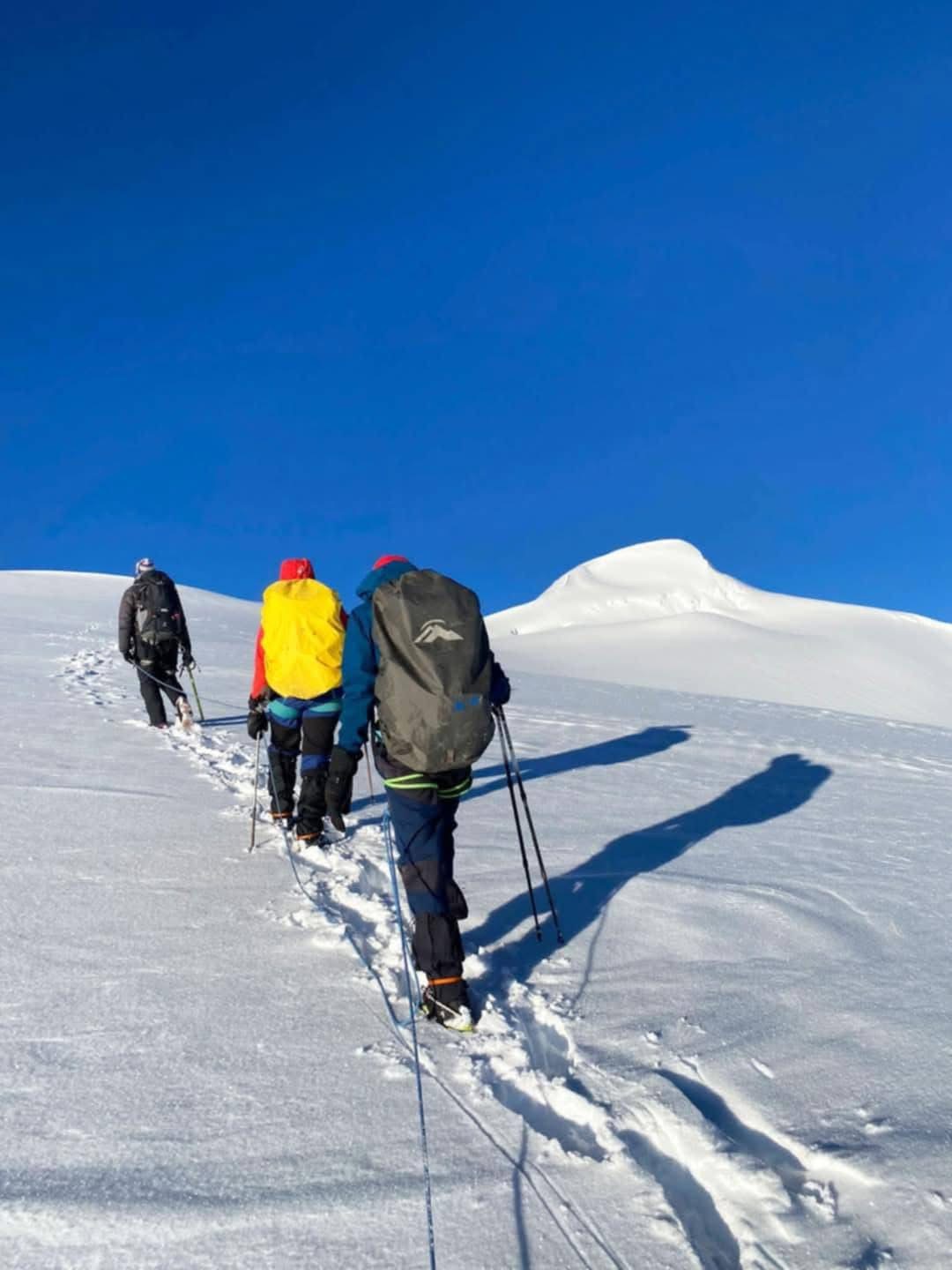
As we go higher, the air becomes “thinner”. Oxygen is still present in the air, but atmospheric pressure decreases, which means your body receives less oxygen with each breath.
That is why walking at 4,000, 5,000 or 6,000 meters does not feel the same as walking at sea level. The same effort becomes more intense, the heart works harder and the body needs time to adapt.
Approximate Oxygen Level by Altitude
Altitude Approximate Oxygen Level
Sea level 100%
1,000 m 88%
2,500 m 73%
3,000 m 68%
3,500 m 64%
4,000 m 60%
4,500 m 57%
5,000 m 53%
5,500 m 50%
6,000 m 47%
6,500 m 44%
7,000 m 41%
8,000 m 36%
8,848 m 33%
These numbers help us understand why acclimatization is so important. It is not only about being strong or well trained. At altitude, the body needs time to adapt gradually.
Above a certain altitude, even simple things like climbing stairs, sleeping, eating or carrying a backpack can feel different. You may notice tiredness, shortness of breath, headaches, loss of appetite or difficulty sleeping.
That is why, on a trek in Nepal or on any high-altitude route, the strongest person is not the one who walks the fastest. It is the one who knows how to listen to their body.
Walking slowly, staying hydrated, resting properly and respecting acclimatization days can make a big difference. The mountain should not be forced. It should be understood.
At Crest Summit Treks, we believe that a good mountain experience is not only about reaching a destination. It is about getting there with safety, respect and preparation.
Because at altitude, every step counts.
Every breath matters.
And listening to your body can be the smartest decision of the journey.