
In a world where children are growing up surrounded by screens, noise and constant stimulation, nature offers something simple but deeply necessary: space to breathe, explore and reconnect.
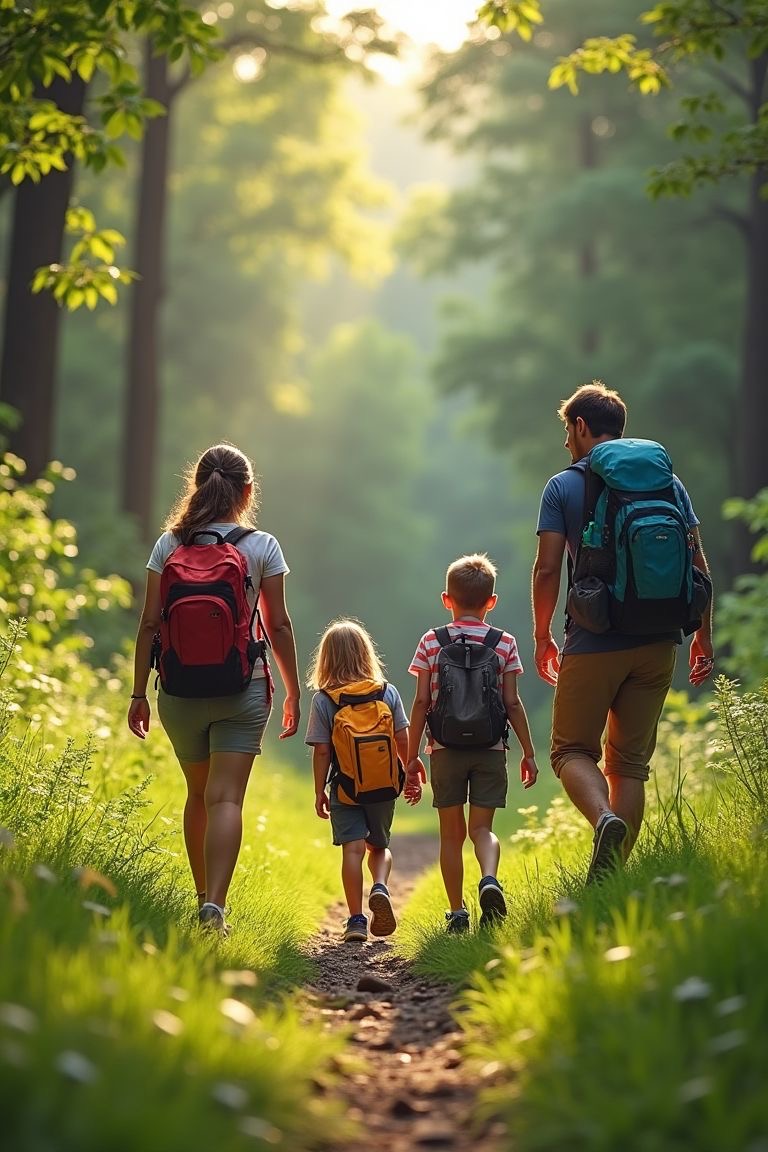
Taking children into the mountains is not only about walking. It is about helping them discover the world with curiosity, patience and respect. A simple trail can become a classroom without walls, where every river, forest, stone and path teaches something different.
When children walk in nature, they learn through experience. They feel the wind, listen to the silence, notice small details and understand that the world is much bigger than their daily routine.
They learn patience when the trail goes uphill.
They learn confidence when they reach a viewpoint.
They learn respect when they see animals, plants and local villages.
They learn strength when they feel tired but keep moving forward, step by step.
A child does not need to climb a big mountain to feel proud. Sometimes, finishing a short trail is already a great achievement.
Trekking teaches them that they are capable of more than they imagine. That moving slowly is still moving forward. That not everything has to be fast, easy or immediate.
And when a family walks together, something changes. There are fewer screens, fewer distractions and more real conversations. There is laughter, shared silence and memories that are never forgotten.
For many families, trekking in Nepal with children can be a unique way to combine nature, culture, adventure and learning.
Nepal is often associated with big mountains and high-altitude expeditions, but it also offers beautiful routes for families and people who are just starting in the world of trekking. Not every journey has to be extreme. Some trails are about culture, villages, forests, suspension bridges, mountain views and quiet moments in nature.
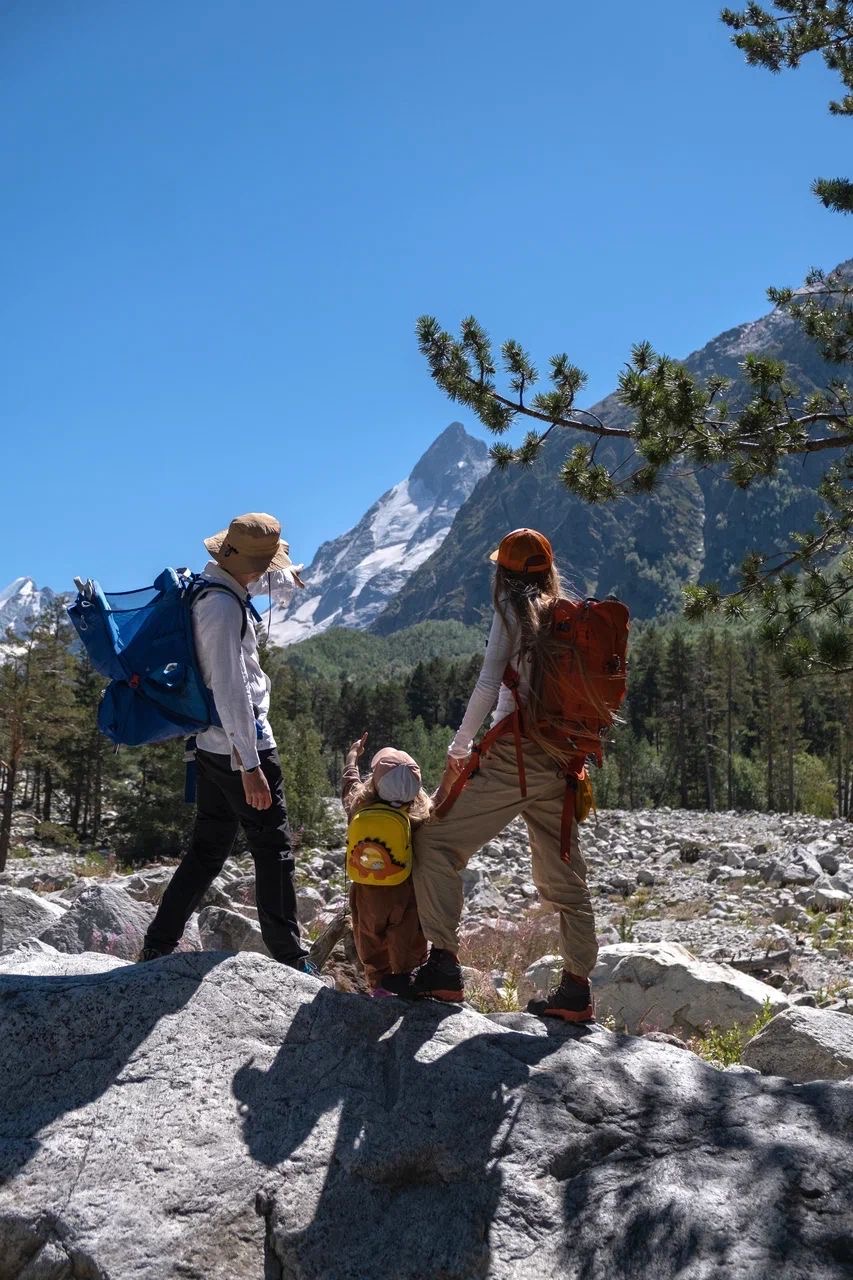
At Crest Summit Treks, we believe that mountains are not only for climbers. They are also for families, children, dreamers and anyone who wants to feel more connected to the natural world.
Because sometimes, the most important summit for a child is not a mountain.
It is the moment they discover:
“I can do this.”